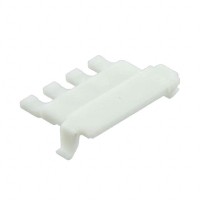
The TERM RETN SPRT FOR SL CRIMP HSG, specifically the Molex SKU 0738380004, represents a critical but often overlooked component in the interconnection ecosystem: the terminal position assurance (TPA) or terminal retainer. This part is a latching mechanism designed to secure crimped terminals within a connector housing, ensuring a reliable secondary lock that prevents terminal back-out due to vibration, shock, or mishandling during mating. Its role is foundational to achieving the signal integrity, power delivery, and safety required in modern electronic systems. The technology, while mechanically focused, has evolved with precision molding, often using high-temperature, flame-retardant thermoplastics like PBT or nylon to meet stringent thermal and flammability standards. Recent innovations are less about the retainer itself and more about its integration into automated assembly processes, with designs optimized for robotic pick-and-place and in-line verification, reducing manufacturing defects and labor costs.
Market trends and demand drivers for terminal retainers are inextricably linked to the broader expansion of electrification and miniaturization. The relentless growth in automotive electrification (EVs, ADAS sensors, infotainment), industrial automation (robotics, motor drives), and consumer appliances is creating sustained demand for robust, high-density connectors. Each of these connectors requires reliable terminal retention. A key driver is the industry-wide push for higher reliability in harsh environments; a secured terminal is a non-negotiable requirement for safety-critical systems like airbag deployments or brake sensors. Furthermore, the miniaturization of connectors (e.g., fine-pitch, micro-connectors) places even greater importance on these retainers, as smaller terminals are more susceptible to dislodgement, making the TPA's role more critical than ever.
Supply chain dynamics for such specialized components have stabilized somewhat but remain sensitive to macro-level disruptions. Global sourcing for injection-molded parts like this has traditionally been concentrated in Asia, but recent geopolitical and trade tensions have spurred a slow movement toward regionalization, with Molex and others expanding manufacturing footprints in the Americas and Europe. Lead times, which ballooned during the chip shortage era as connector assemblies were delayed awaiting ICs, have normalized to more historical levels (typically 8-16 weeks), but are susceptible to fluctuations in polymer resin availability and energy costs. The pricing outlook is moderately inflationary, driven not by raw plastic costs alone, but by the value-added engineering, quality certifications, and testing these components carry. Procurement teams should expect steady, single-digit annual price adjustments rather than volatile swings, barring another major supply shock.
Emerging applications are generating new demand cycles for terminal retention systems. Beyond traditional automotive and industrial uses, the renewable energy sector—particularly solar inverters and battery energy storage systems (BESS)—requires connectors that can handle high currents and outdoor environmental stress for decades. Similarly, the infrastructure build-out for 5G and edge computing involves countless sealed connectors in base stations and outdoor cabinets, where TPAs ensure long-term performance. The medical device field, especially portable and wearable diagnostics, uses miniaturized connectors where a secure connection is vital for patient safety, driving demand for precision-molded retainers in clean-room manufacturing settings.
The technology roadmap for this component category focuses on material science, design integration, and assembly intelligence. Next-generation retainers will leverage advanced polymers with improved flow characteristics for thinner, more complex latch designs and enhanced resistance to chemicals and temperature cycling. We are also seeing a trend toward the integration of the retainer function directly into the connector housing via monolithic or hinged designs, reducing part count. Furthermore, smart manufacturing trends are pushing for retainers with embedded QR codes or RFID tags for full traceability throughout the supply chain and assembly process, a key requirement in automotive and medical applications.
Industry regulations profoundly influence the specification and sourcing of these components. Compliance with RoHS (Restriction of Hazardous Substances) and REACH is table stakes, dictating the specific halogen-free flame-retardant compounds used. For automotive applications, qualifications like AEC-Q200 and adherence to IATF 16949 quality management standards are mandatory, adding layers of cost and validation time to the production process. The drive toward higher temperature ratings in under-hood EV applications (e.g., near traction inverters) is pushing materials to their limits, requiring retainers that can perform reliably at 150°C and above. These regulations act as both a barrier to entry for new suppliers and a guarantee of quality for end-users.
Strategic recommendations for procurement teams are centered on partnership, visibility, and design influence. First, move beyond transactional purchasing and develop strategic partnerships with authorized distributors of major manufacturers like Molex. This ensures access to genuine, fully qualified components and better insight into allocation and long-term pricing. Second, increase supply chain visibility by forecasting demand further in advance and sharing these forecasts with suppliers, as molding tooling capacity can be a bottleneck. Third, engage with engineering teams early in the design phase to standardize on connector families that use common retainer parts, consolidating spend and reducing risk. Finally, consider holding strategic inventory buffers for these low-cost but high-importance "enabler" components, as a missing $0.50 retainer can halt the production of a $50,000 system. In an era of interconnected complexity, securing the terminal is the first step to securing the entire supply chain.